
Special Report · CASMB–YASHADA Forum
As China consolidates manufacturing supremacy, structural weaknesses and policy paralysis threaten to turn India’s demographic dividend into a liability
Vijay Gaikwad | Founder-Editor, Krishi Parva · Director — Trade & Investment, CASMB
Pune · April 30, 2026

India faces the serious risk of becoming a passive spectator in the most consequential restructuring of the global economic order since World War II, senior economists and policymakers warned at a high-level knowledge forum organised by the Chamber for Advancement of Small and Medium Businesses (CASMB) in Pune on Wednesday.
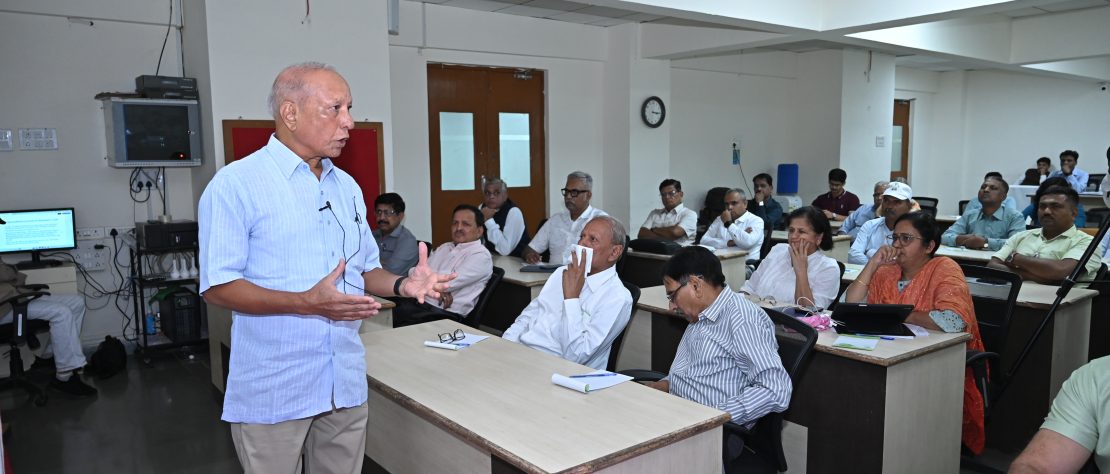
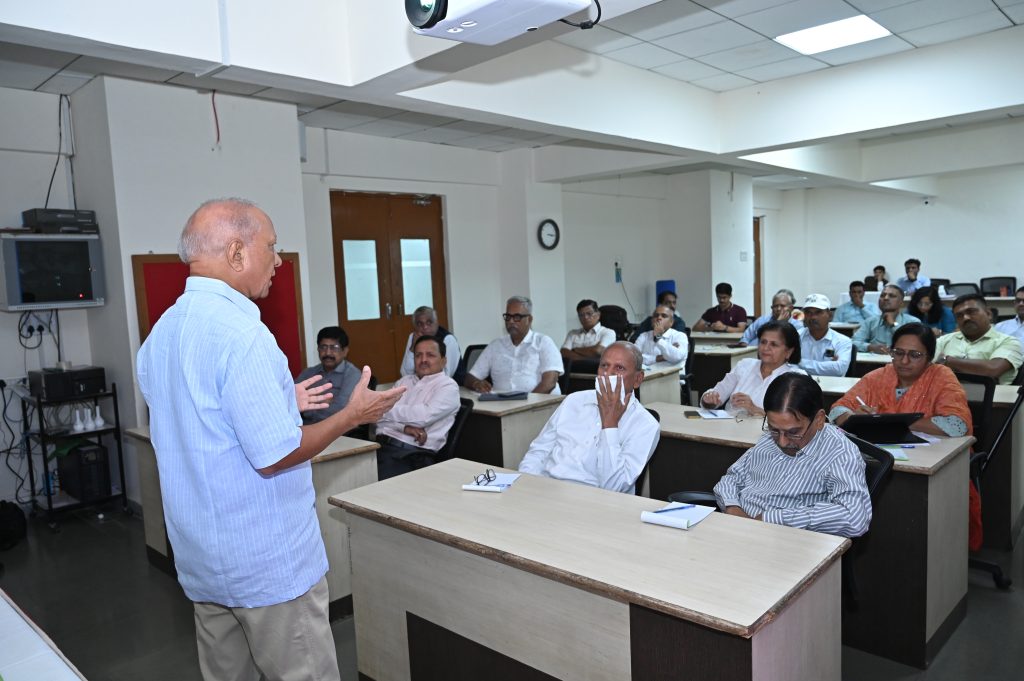
The Knowledge, Awareness and Brainstorming Programme, held at MDC Hall No. 3, YASHADA (Yashwantrao Chavan Development Administration Academy), Baner Road, Pune, featured an address by Nanasaheb Patil, IAS (Retd.), former Additional Chief Secretary of the Maharashtra Government and a distinguished agricultural policy expert. His remarks drew a pointed assessment of India’s trajectory at a moment when global trade and manufacturing are being rapidly reordered.
China’s Economic Dominance — Key Indicators (2025)
Total Exports$3.776 Trillion
Share of Global Exports~15.8%
Trade Surplus (Record)$712 Billion
India GDP (World Rank #4)$4.5 Trillion
India’s Net FDI InflowNear Zero
Indian Mfg. Worker Avg. EducationGrade 8
China’s Strategic Chokehold
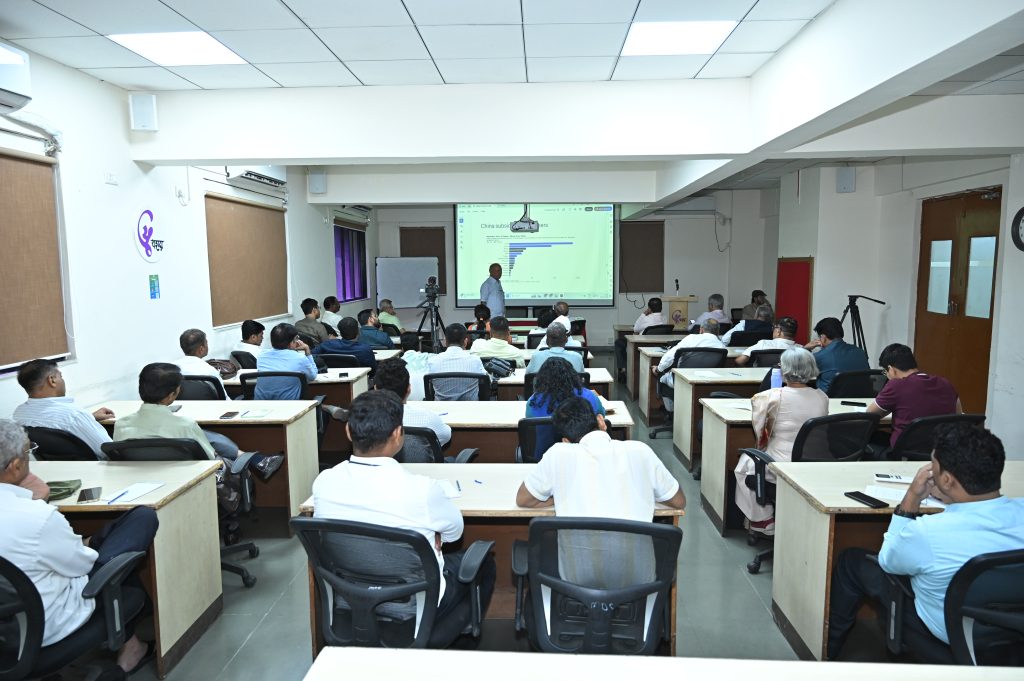

A full house at MDC Hall No. 3, YASHADA — participants follow a detailed data presentation on China’s subsidy strategies and global trade dynamics, part of the CASMB Knowledge, Awareness and Brainstorming Programme. | YASHADA, Pune, April 29, 2026.
The forum’s central concern was a largely underreported but consequential move by Beijing. In October 2025, President Xi Jinping announced mandatory export licensing requirements for a range of strategic materials — including rare earth elements, battery components, advanced chemicals, and semiconductor precursors. The implications, analysts noted, were unambiguous: China now possesses the structural leverage to disrupt entire industries across the United States, Europe, Japan, and South Korea.
China’s total exports reached approximately $3.776 trillion in 2025 — representing nearly 15.8% of global export volume — while its trade surplus hit a record $712 billion, the highest ever recorded by a single economy. Across critical sectors including solar panels, electric vehicles, steel, aluminium, shipbuilding, and industrial chemicals, China’s installed production capacity meets or exceeds total global demand.
Management strategist Ram Charan’s so-called “90% Model” describes this approach with precision: systematically build industrial capacity to fulfil 90% of global demand in a chosen sector, depress prices through subsidised exports to eliminate competition, then pivot to the next sector. The model has already effectively dismantled American manufacturing in furniture, textiles, toys, electronics, solar panels, and active pharmaceutical ingredient (API) production. Electric vehicles, robotics, aerospace, and artificial intelligence are identified as the next wave.
India’s Structural Vulnerabilities
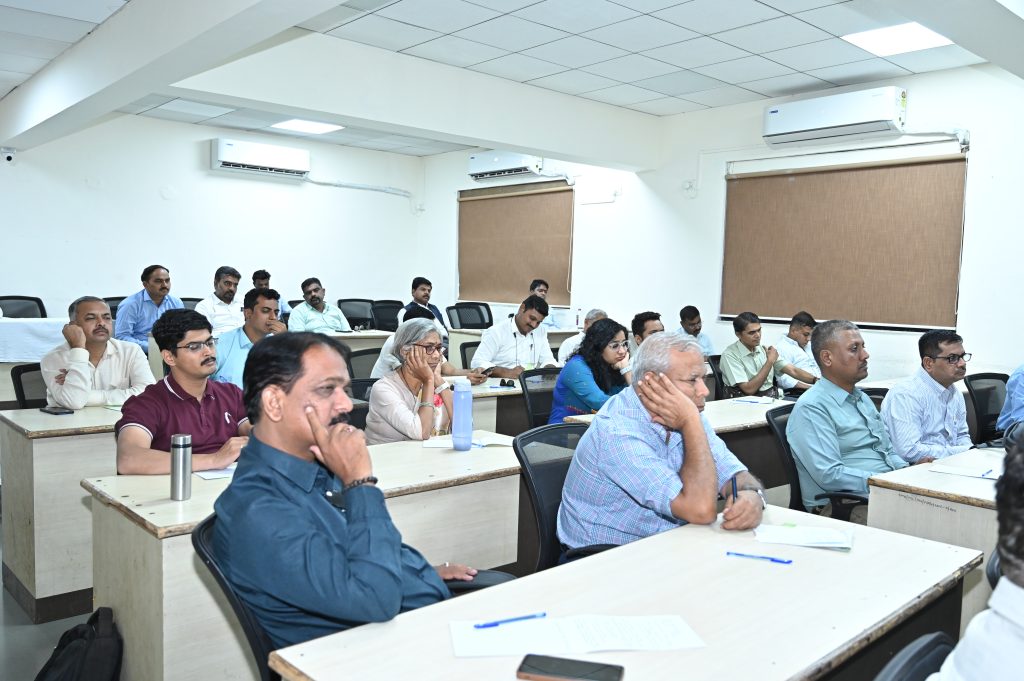

Senior government officials, policy analysts, industry leaders, and trade representatives follow the proceedings at the CASMB knowledge dialogue session at YASHADA, Pune. | April 29, 2026.
Against this backdrop, India — widely projected as China’s foremost emerging rival and a future global manufacturing hub — finds itself in a precarious position, experts cautioned. India’s GDP stands at approximately $4.5 trillion, making it the world’s fourth-largest economy. Yet that headline figure obscures deep structural deficiencies.
The country’s 1991 import liberalisation, while broadly reformist, lowered tariffs on finished goods alongside industrial inputs — inadvertently triggering domestic deindustrialisation at the very moment China was mandating technology transfers and aggressively scaling export capacity.
The forum highlighted three persistent weaknesses. First, the scale deficit: over 60% of Indian manufacturing enterprises employ fewer than nine workers, limiting cost efficiency and competitiveness. Second, an investment gap: net foreign direct investment into India currently stands close to zero, with firms exiting China preferring Vietnam, Thailand, and Mexico. Third, a human capital shortfall: the average Indian manufacturing worker has an eighth-grade education, compared to the junior-college equivalent in China and Vietnam; female workforce participation in Indian industry remains critically low.
Harvard economist Ricardo Hausmann has previously identified India’s limited economic diversification as a core vulnerability — a concern that the CASMB forum found has only deepened.
Divided Counsel, Unified Alarm
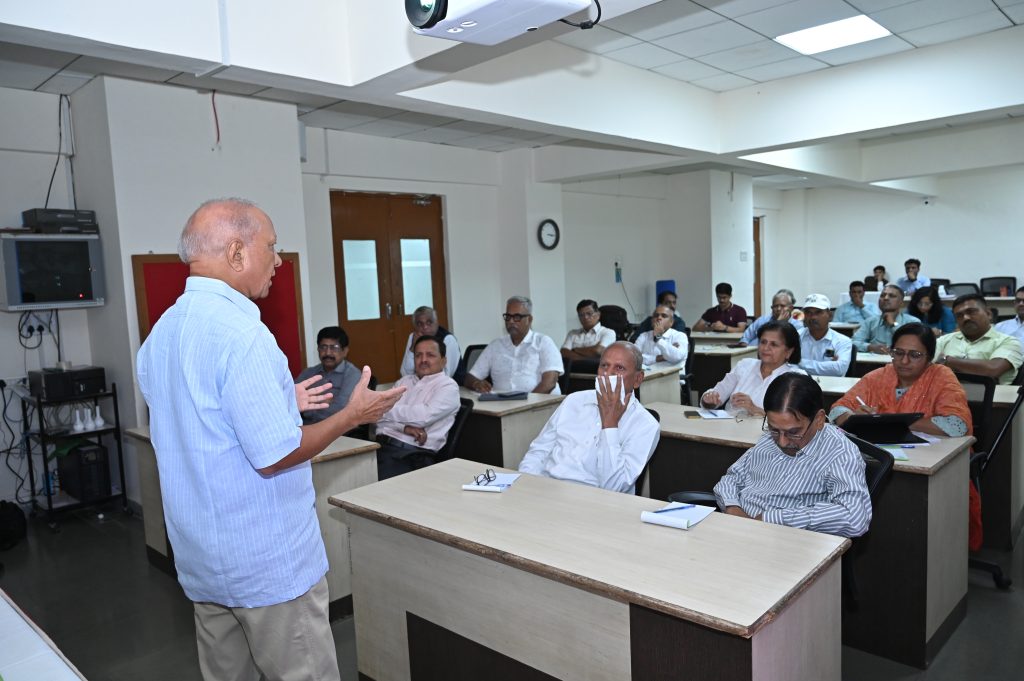

Nanasaheb Patil, IAS (Retd.), engages in an open and thoughtful exchange with participants following his address at the CASMB programme, YASHADA, Pune. His analysis of India’s role in the ongoing restructuring of the global economy drew significant engagement from the audience. | YASHADA, Pune, April 29, 2026.
India’s leading economists remain divided on the remedy. Former RBI Governor Raghuram Rajan has argued that India should pivot decisively toward services — IT, banking, and digital healthcare — rather than pursue a manufacturing-led growth model. Former Chief Economic Adviser Arvind Subramanian, who coined the “New China Shock” framework, has documented how China’s excess manufacturing capacity is now hollowing out not just Western economies but also developing nations like India. Former NITI Aayog Vice-Chairman Arvind Panagariya had recommended Chinese-style coastal Special Economic Zones — a proposal that was never implemented.
Every morning the cabinet boards the bus, debates for hours about which village to travel to, and by evening the driver announces it is too late to travel. The bus has not moved at all.
A Six-Point Reform Agenda
- 1Sector-Specific Industrial PolicyRather than a blanket approach, identify and subsidise high-potential sectors with surgical precision.
- 2Scale Beyond MSMEBuild large manufacturing clusters that deliver the economies of scale necessary to compete globally.
- 3Neighbourhood Trade IntegrationDeepen economic ties with Bangladesh and other neighbours to reduce logistics costs for northeastern states.
- 4Port and Coastal Corridor DevelopmentRail-link deep-water ports such as Dighi and Jaigad; implement the Mumbai–Kandla coastal industrial corridor.
- 5Human Capital as National PriorityPrioritise women’s education, workforce participation, skills development, and urban planning.
- 6Original R&D InvestmentMove Indian corporates from technology adoption to original research and intellectual property creation.
The Clock Is Running
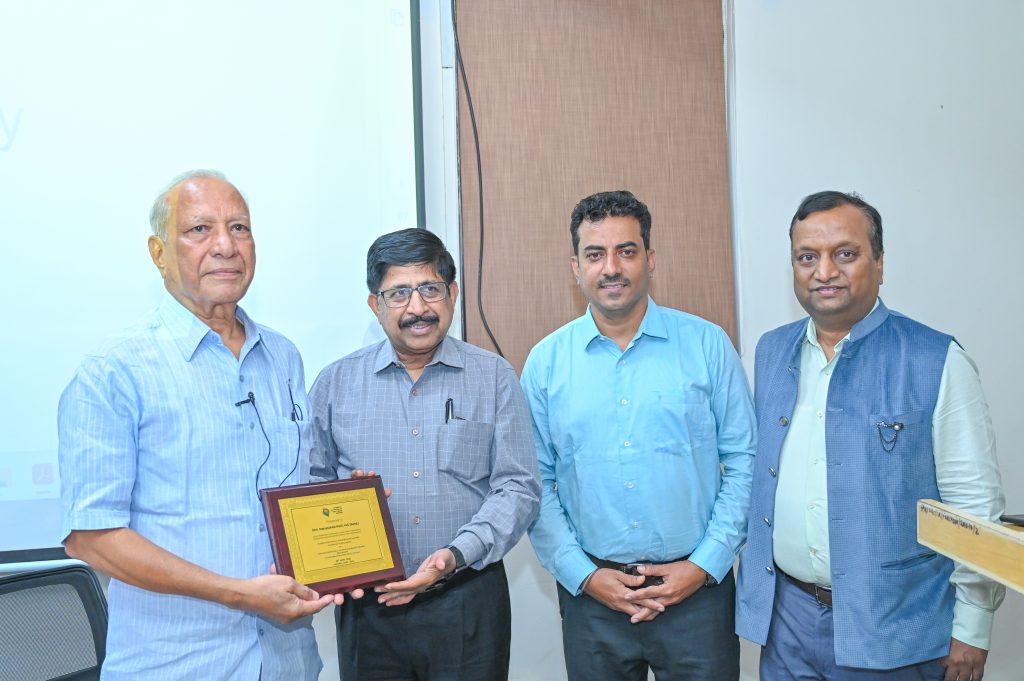

India’s stated goal of becoming a developed economy by 2047 — Viksit Bharat — requires sustained real GDP growth of 7% to 7.5% annually for more than two decades. By virtually every credible economic assessment, that target is currently out of reach without decisive structural intervention.
The burden of proof now lies with New Delhi: whether India will build the industries, institutions, and human capital required to compete in the world as it is being remade — or remain a bystander to history’s largest economic restructuring.
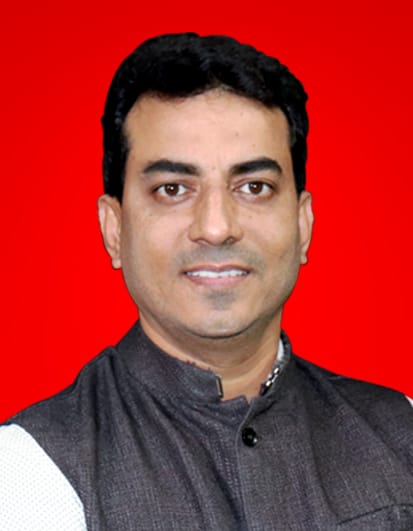
About the Author: Vijay Gaikwad is Founder-Editor of Krishi Parva (krishiparva.in) and Director — Trade & Investment, CASMB. He attended the CASMB Knowledge, Awareness and Brainstorming Programme at YASHADA, Pune, on April 29, 2026, in his capacity as CASMB Director. He is also Director of PR & Strategy at F2F Corporate Consultants Pvt. Ltd., Mumbai.
© 2026 Krishi Parva · krishiparva.in · Agriculture · Economy · Policy · Trade · Mumbai, India